MS Strength

Within every Multiple Sclerosis Patient there Lies an Indomitable Strength.

Archive for the ‘MS Symptoms’ Category

Keeping an MS Medical Journal

Posted by Jen On February - 23 - 2009

When I first developed multiple sclerosis, it was so vague and weird that I couldn’t quite describe the sensations to others, particularly to my family and friends. How do you explain fleeting neurological symptoms that sound like you’re having a stroke? Explaining to my then-primary doctor what was going on seemed even more challenging: he wanted to know WHAT kind of numbness I had. Did it feel like pins-and-needles or did the area lack ALL feeling? When did it come and when did it go? Was it restricting any of my activities and did it ever become painful? At this point I began a medical journal where I logged symptoms, durations, my feelings about these symptoms, dates, things that worsened these symptoms and so on. This journal has become my guide to my history with multiple sclerosis and a basic reference that I bring along with me to my doctors’ visits.

Keeping an MS medical journal is easy. Here’s what I find helpful:

Narrow a Medical Journal Down to One Topic

If you have more than one ailment— many of us do— then separate the problems into different journals within a notebook. Keep MS information in one area and (for example) low blood sugar, or hypoglycemia, in another section. Sometimes it’s difficult to tell where symptoms are coming from (particularly in the case of multiple autoimmune diseases) but if the illnesses are unrelated try to keep them unrelated in the journal to focus on what is precisely going on with each illness.

Be as Specific as Possible

I look back at my medical journal and my memory is jogged: I had this episode of vertigo at this point in time, I took this medication, my neurologist said such-and-such, the vertigo tapered off at such-and-such time. I would never remember this on my own and I’m glad that I took such descriptive details. Referencing entries with specific dates, durations, performed tests, my feelings about the symptoms, what medications I took, whether said medications helped or did nothing, and my doctors’ opinions has helped me to keep a mental idea of my MS journey thus far. It’s still of course mysterious, but I feel a little more in control of what’s going on.

Regularly Update Your Status, Including the Good Times

Being well is a point of reference within the journal. It’s important to document this as part of the journey. Just checking in every few months keeps the journal updated and current.

Record Feelings about the Attacks and the Symptoms

I was able to see a pattern of anxiety and depression which I shared with my therapist because of my noted feelings within my medical journal. The psychological elements are definitely a part of the greater whole.

Remember to Bring the Medical Journal Along with You to Doctors’ Visits

This journal aids not only you but your treatment team in better knowing your disease history and present status. You can also immediately record what your doctors say, requesting proper spellings and exact information. Sometimes it all sounds like mumbo jumbo if you wait until you get home.

Stick to the Basics

I don’t know about you but I prefer to keep this sort of journal in a standard wide-ruled notebook. I don’t get fancy and I keep to the basics of my case. This isn’t my autobiography; it’s a book of facts I need to keep. A basic notebook works for me.

MS Cerebral (Brain) Attacks and Symptoms

Posted by Jen On November - 19 - 2008

The Brain: Google Images

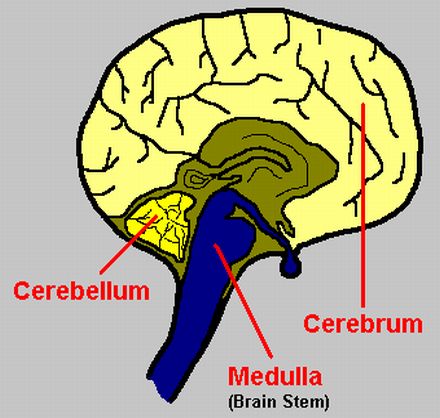
Surprisingly, the least common area for a multiple sclerosis attack (only 3% of all relapses) is the cerebrum, or the vast area of the brain. Attacks to the cerebrum can cause demyelination to its nerves as well as brain atrophy, or shrinkage. Such relapses can cause the following symptoms in multiple sclerosis patients:

Cognitive Impairments

Although not as common as spinal cord or brain stem symptoms, cognitive disabilities are thought to affect about 50 to 60% of MSers over the courses of their diseases. Such impairments include short-term memory problems, a decrease in reasoning skills, vocabulary deficits (“fishing for words”), and problems with outside overstimulation and internally processing outside situations (confusion.) Only about 5 to 10% of those with multiple sclerosis develop severe cognitive problems.

Depression

Multiple sclerosis depression can be caused by several mitigating factors such as coping with a chronic and debilitating illness, taking medications that cause depression, and non-MS outside stressors (careers, financial situations, divorce, other illnesses, death, and so on.) MS depression can also be organic, or caused by the multiple sclerosis itself. Scientists now know that depression can arise from damage to nerves within the cerebrum. These nerves send and receive messages about emotions, and faulty nerves can misfire messages. Brain atrophy might also be responsible for organic depression.

Tonic Seizures

Although rare (occurring in approximately 5 out of every 800 MS patients), brief seizures can happen when there are lesions and inflammation in the cerebrum.

  • Reference:

Rosner, Louis J., MD and Shelley Ross. New Hope and Practical Advice for People with MS and Their Families. Simon & Schuster: New York, 2008.

MS Optic Nerve Attacks and Symptoms

Posted by Jen On November - 17 - 2008

Google Images

Optic neuritis, or the inflammation of the optic nerve that connects the eye to the brain, is the third most common type of multiple sclerosis relapse, making up approximately 17% of all attacks. 20% of all MSers experience this as their first acute attack. The optic nerve sends messages from the eye to the brain, describing visual clarity, color perception, and brightness. An attack of optic neuritis usually affects one eye. During an acute MS optic nerve attack (when the immune system attacks the myelin covering surrounding the optic nerve), the following symptoms may occur:

Blurred, murky vision: this can be intermittent or it can be a steady disruption of proper sight

Acute loss of vision: complete loss of vision in the affected eye may occur, and this too may fluctuate or remain steady during an attack

Eye pain: pain from the inflamed optic nerve can make moving the eye or even keeping the eye still very painful

Loss of or change in color vision: optic nerve inflammation can also cause a loss of or fluctuation in color clarity, making the visual field less vivid or “washed out”
