MS Strength

Within every Multiple Sclerosis Patient there Lies an Indomitable Strength.


MS Cerebral (Brain) Attacks and Symptoms

Posted by Jen On November - 19 - 2008

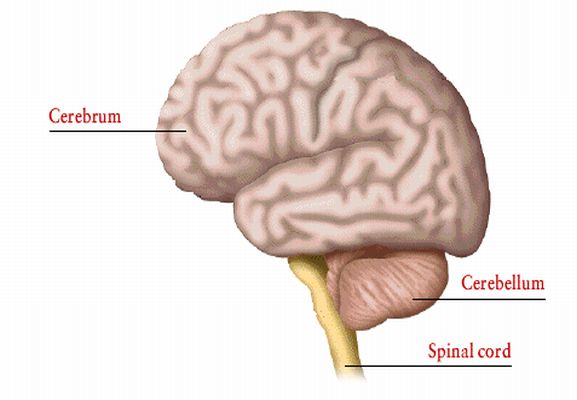
The Brain: Google Images

Surprisingly, the least common area for a multiple sclerosis attack (only 3% of all relapses) is the cerebrum, or the vast area of the brain. Attacks to the cerebrum can cause demyelination to its nerves as well as brain atrophy, or shrinkage. Such relapses can cause the following symptoms in multiple sclerosis patients:

Cognitive Impairments

Although not as common as spinal cord or brain stem symptoms, cognitive disabilities are thought to affect about 50 to 60% of MSers over the courses of their diseases. Such impairments include short-term memory problems, a decrease in reasoning skills, vocabulary deficits (“fishing for words”), and problems with outside overstimulation and internally processing outside situations (confusion.) Only about 5 to 10% of those with multiple sclerosis develop severe cognitive problems.

Depression

Multiple sclerosis depression can be caused by several mitigating factors such as coping with a chronic and debilitating illness, taking medications that cause depression, and non-MS outside stressors (careers, financial situations, divorce, other illnesses, death, and so on.) MS depression can also be organic, or caused by the multiple sclerosis itself. Scientists now know that depression can arise from damage to nerves within the cerebrum. These nerves send and receive messages about emotions, and faulty nerves can misfire messages. Brain atrophy might also be responsible for organic depression.

Tonic Seizures

Although rare (occurring in approximately 5 out of every 800 MS patients), brief seizures can happen when there are lesions and inflammation in the cerebrum.

  • Reference:

Rosner, Louis J., MD and Shelley Ross. New Hope and Practical Advice for People with MS and Their Families. Simon & Schuster: New York, 2008.

6 Responses

  1. Abby Says:

    I love this series you have done with the symptoms from each area of possible lesions. Great info! Thanks Jen!

    Posted on November 20th, 2008 at 12:19 am

  2. Jen Says:

    Thanks Abby. I’m kinda dorking myself out with some of my posts, but I think this stuff is important to know so that when something bizarre happens, it can be connected with an area of the central nervous system. See- I told ya I love science!

    Thanks for reading!

    Jen

    Posted on November 20th, 2008 at 2:23 am

  3. Linda D. Says:

    I ditto Abby…or basically copy her comment because I’ve got no brains to think up one on my own. But you KNOW what I mean!

    Linda D. in Seattle

    Posted on November 20th, 2008 at 11:44 am

  4. Jen Says:

    Ummm, Linda—I forgot to tell you that I borrowed your brain for this post. Does it look familiar? I hope you don’t mind…I promise to return it after the series ends.

    Thank you for your contribution to science!

    Jen (LOL)

    Posted on November 20th, 2008 at 3:10 pm

  5. Merely Me Says:

    check, check, and possible check! if you have all of these things do you win a prize? :>)

    Posted on November 20th, 2008 at 11:27 pm

  6. Jen Says:

    I definitely have some of the cognitive issues from the MS. At night, I sometimes forget the last word (usually a noun) of a sentence, like if I’m referring to something. I honestly can’t remember for a minute or two. And my short-term memory is for pooooooo…I’m a list fanatic.

    Posted on November 21st, 2008 at 3:57 pm

Leave a Reply